SHIJIAZHUANG SHI&TE ROII CO., LTD
Tel:13582100171
15127099960
13223401723
Fax:(0311)82237365
P.C:050221
Email:ssrw.01@163.com
Http:www.stzg.cn
ADD:600 meters east of the road, north of the intersection of Huanzhen West Road and Hengjing Line, Tongye Town, Luquan District, Shijiazhuang City, Hebei Province
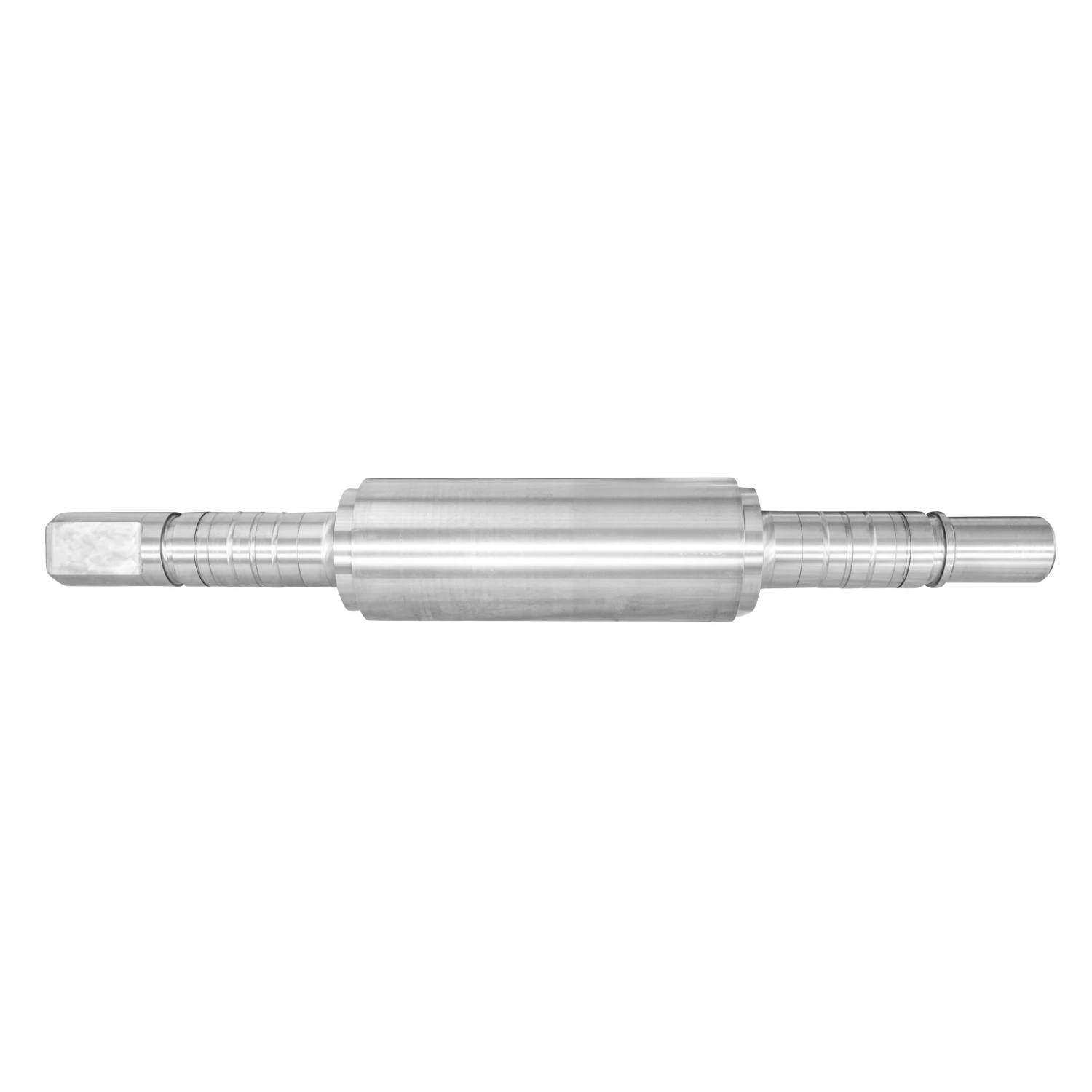
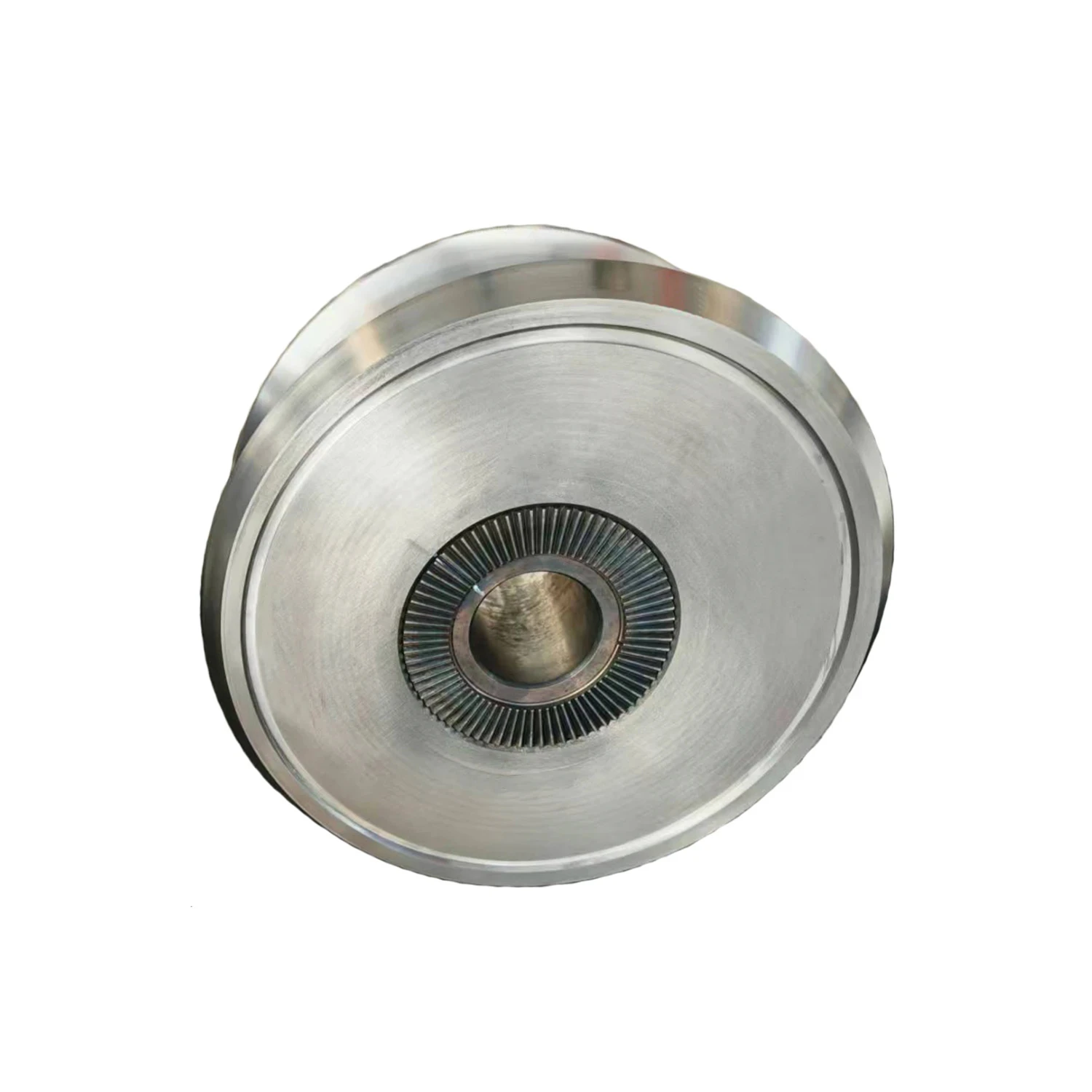
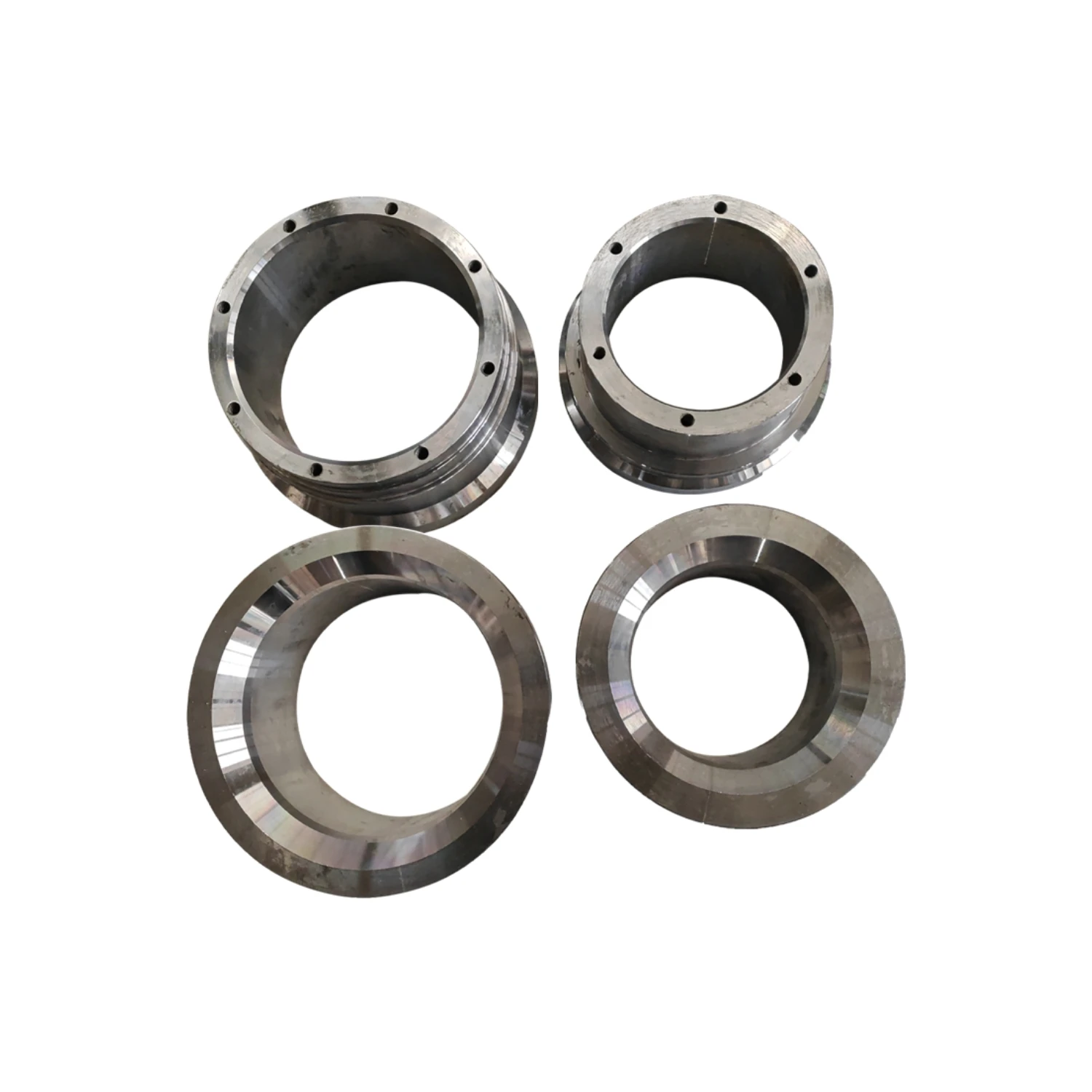
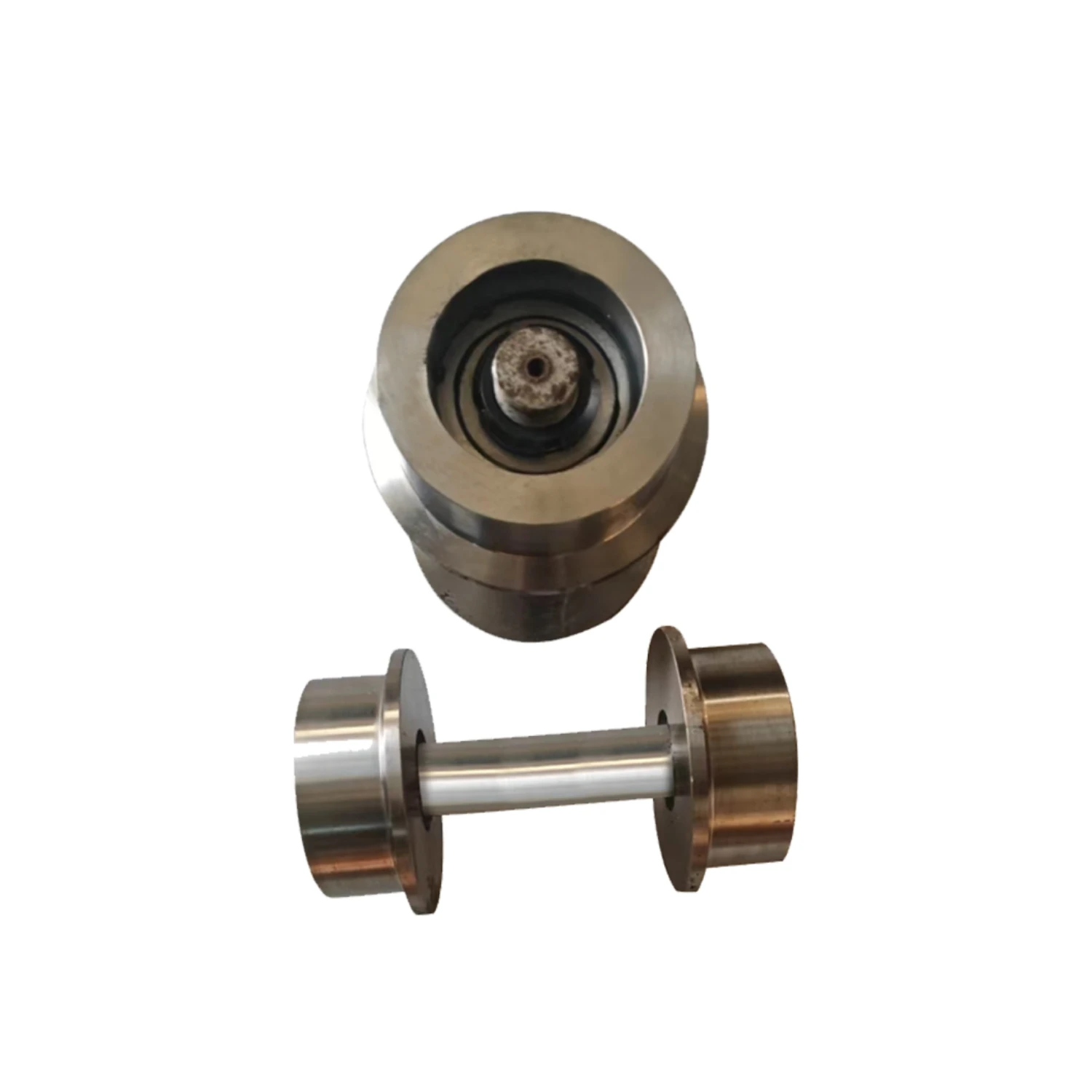
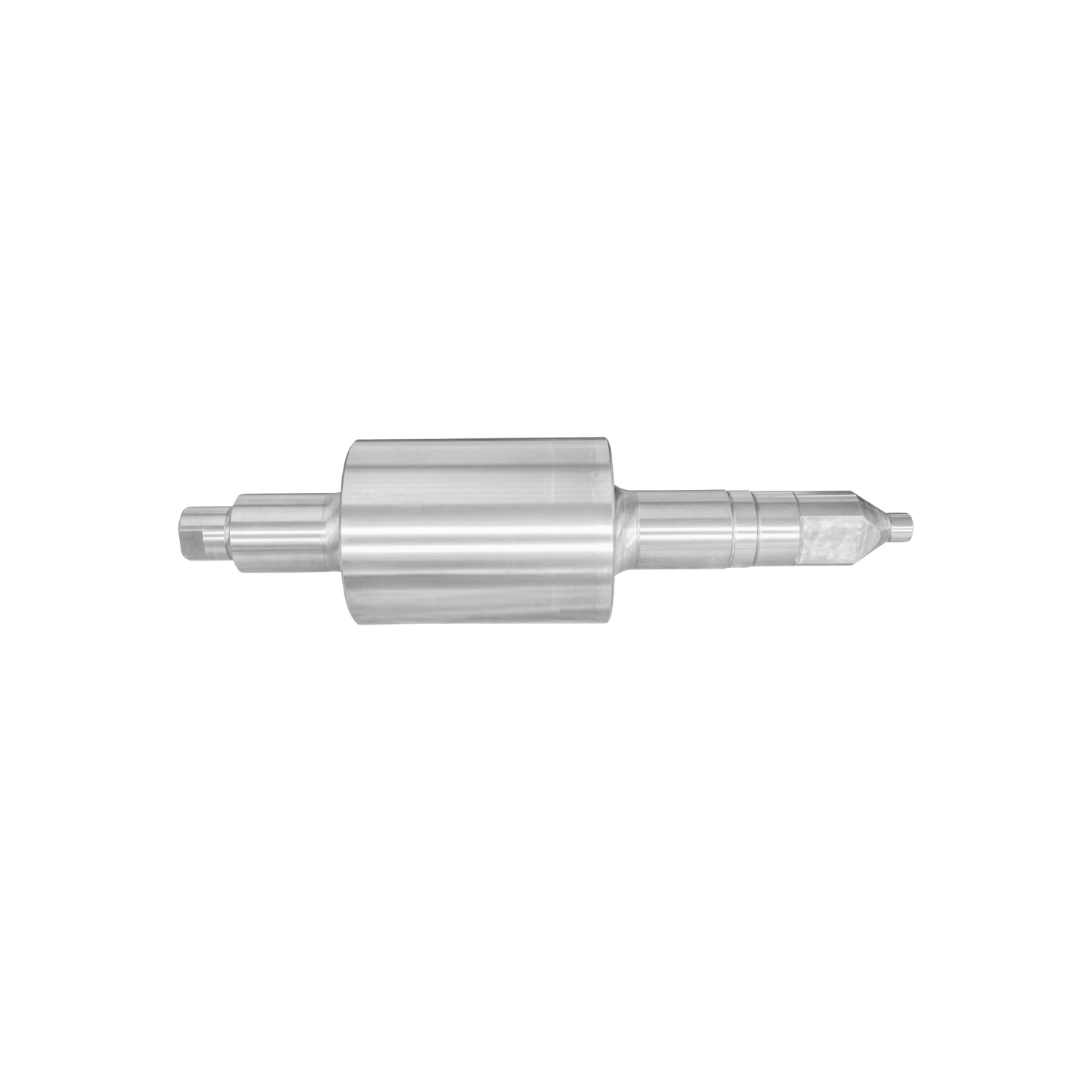
InSeamless steel pipe rollingIn production, the roller ring is the core vulnerable component of the rolling mill, which can withstand high temperatures, impact loads, and alternating thermal stresses for a long time. The quality of cooling water in the roller ring cooling system directly affects the cooling effect and is one of the key factors determining the service life of the roller ring. Many production lines only focus on water pressure and flow rate, neglecting water quality control, which can easily lead to problems such as premature cracking of roller rings, surface peeling, corrosion and wear, increasing spare parts consumption and downtime frequency. This article combines the rolling conditions of seamless steel pipes to analyze how various indicators of cooling water affect the roller ring, as well as the corresponding water quality control ideas.
1、 Wear and blockage caused by impurities in cooling water
During the rolling process, the surface temperature of the roller ring rapidly increases, relying on cooling water to continuously remove heat. If the cooling water contains suspended solids such as sediment, metal oxide scale, dust, rust, etc., it will have two impacts.
Solid particles impact the surface of the roller ring with water flow, causing erosion and wear. Long term effects can damage the surface structure of the roller ring, resulting in an increase in surface roughness and the formation of small pits. These pits will become stress concentration points, gradually expanding under alternating cold and hot cycles, inducing microcracks and shortening the service life of the roller ring.
At the same time, impurities are prone to deposit in the cooling pipeline and nozzle positions, causing nozzle blockage and water flow deviation. Insufficient cooling water in some areas leads to excessively high temperatures in certain areas of the roller ring, resulting in the formation of hot spots. After the local temperature difference increases, the thermal stress rises sharply, making it easy for the roller ring to crack and fall off. Nozzle blockage can also cause uneven cooling, with large temperature differences at different positions of the same roller ring and significant fluctuations in service life.
2、 The influence of water hardness and scaling on roller ring cooling
Cooling water contains calcium and magnesium ions, which are commonly referred to as water hardness indicators. When high-temperature cooling water comes into contact with the surface of the roller ring, the increase in water temperature will promote the precipitation of calcium and magnesium salts, forming scale in the roller ring cooling channel, outer surface of the roller ring, and inner wall of the nozzle.
Scale has poor thermal conductivity and adheres to the surface of the roller ring, forming a thermal insulation layer that hinders heat transfer and reduces cooling efficiency. The overall temperature of the roller ring increases, the strength of the substrate material decreases, and the resistance to thermal fatigue weakens. Under continuous cold and hot cycles, a network of thermal cracks will form on the surface of the roller ring, which will continue to extend and expand, resulting in peeling and fragmentation.
The deposition of scale will also reduce the cross-section of the cooling channel, decrease the flow rate of cooling water, and further exacerbate the problem of insufficient cooling. Uneven distribution of scale thickness can cause uneven heat dissipation at different positions of the roller ring, local stress concentration, and premature failure.
3、 Corrosive ions cause roller ring corrosion and damage
Chloride ions, sulfate ions, dissolved oxygen and other components in cooling water can corrode the roller ring substrate. The material of the roller ring is mostly hard alloy or high alloy tool steel, which is prone to electrochemical corrosion under the combined effects of high temperature, humidity, and stress.
Corrosion will form corrosion pits on the surface of the roller ring, and the location of the pits will become the crack initiation point. Under the combined action of rolling alternating stress and thermal stress, corrosion pits rapidly develop into fatigue cracks, resulting in stress corrosion cracking. When the chloride ion content is high, this phenomenon will be more pronounced.
In addition, the proliferation of microorganisms in cooling water can produce metabolic acidic substances, further enhancing the corrosiveness of the water body. At the same time, it is accompanied by the adhesion of biological sludge, mixing and sedimentation with scale and impurities, which exacerbates the problems of blockage in the cooling system and local overheating of the roller ring.
4、 The influence of water acidity and alkalinity (pH value)
The pH value of the cooling water is in an inappropriate range, which will accelerate the corrosion of the roller ring and pipeline. Low pH and strong acidity of the water directly corrode the metal substrate of the roller ring; Excessive pH and strong alkalinity of water make it easier to promote the precipitation and scaling of calcium and magnesium ions.
A suitable pH range can form a passivation protective film on the metal surface, slowing down the corrosion rate. The pH continues to fluctuate, the protective film is unstable, and it will repeatedly break and regenerate, which will accelerate the surface loss of the roller ring in the long run.
5、 Summary of Typical Failure Modes of Roller Rings Caused by Poor Water Quality
1. Thermal fatigue cracks: Scaling and nozzle blockage cause uneven cooling, resulting in network cracks caused by cold and hot cycles, which gradually expand and peel off the surface of the roller ring.
2. Erosion wear: Suspended solids continue to erode the roller ring, resulting in pitting and pits on the surface, reducing the surface accuracy of the roller ring and affecting the quality of steel pipe rolling.
3. Stress corrosion cracking: Corrosive ions combined with thermal stress and mechanical stress produce brittle cracks, increasing the risk of sudden fracture.
4. Local overheating and block shedding: Local cooling is missing, the temperature of the roller ring exceeds the limit, the material properties decrease, and block shedding failure occurs.
6、 Control methods for improving the quality of cooling water and extending the service life of roller rings
Set up a filtering device and install a filter in the cooling circulation pipeline to continuously remove oxide scale and suspended solids from the water, reducing erosion wear and nozzle blockage. Regularly clean the filter to ensure smooth circulation of cooling water.
Perform water softening treatment to reduce the hardness of the water and minimize the precipitation of scale. Cooperate with water quality agents to inhibit scale adhesion, while controlling the content of corrosive ions in the water, and reducing the risk of electrochemical corrosion.
Monitor circulating water indicators, regularly check turbidity, hardness, pH value, and chloride ion content, establish a water quality ledger, adjust indicators in a timely manner when they deviate from the range, and avoid long-term operation of water quality exceeding the standard.
Carry out sterilization and algae removal in the circulating water system, suppress the production of microbial and biological sludge, and reduce the insulation and corrosion problems caused by sludge deposition.
Regularly inspect the nozzle and cooling water channel, clean the attached scale and sediment, ensure that the cooling water spray position and flow rate are uniform, and guarantee balanced heat dissipation at all positions of the roller ring.
Summary
seamless steel pipeThe failure of production line roller rings is often not simply a matter of material or rolling load, and the quality of cooling water is a key factor that is easily overlooked. Suspended solids, hardness, corrosive ions, and abnormal pH in water can induce thermal fatigue cracking, peeling, and fracture of roller rings through scaling, erosion, corrosion, and local overheating, shortening the service life of roller rings and increasing spare parts consumption and downtime losses.
Establish a stable circulating cooling water management plan, continuously control various water quality indicators, ensure uniform and stable cooling, reduce various early failure problems of roller rings, extend the service life of roller rings, and ensure continuous and stable operation of seamless steel pipe rolling production.
TEL:13582100171 15127099960 13223401723
EMAIL:Sales@cn.cn
ADDRESS :600 meters east of the road, north of the
intersection of Huanzhen West Road and
Hengjing Line, Tongye Town, Luquan
District, Shijiazhuang City, Hebei Province
Keywords:seamless steel tube roll ring, bar and wire rod roll, section steel roll

SCAN